
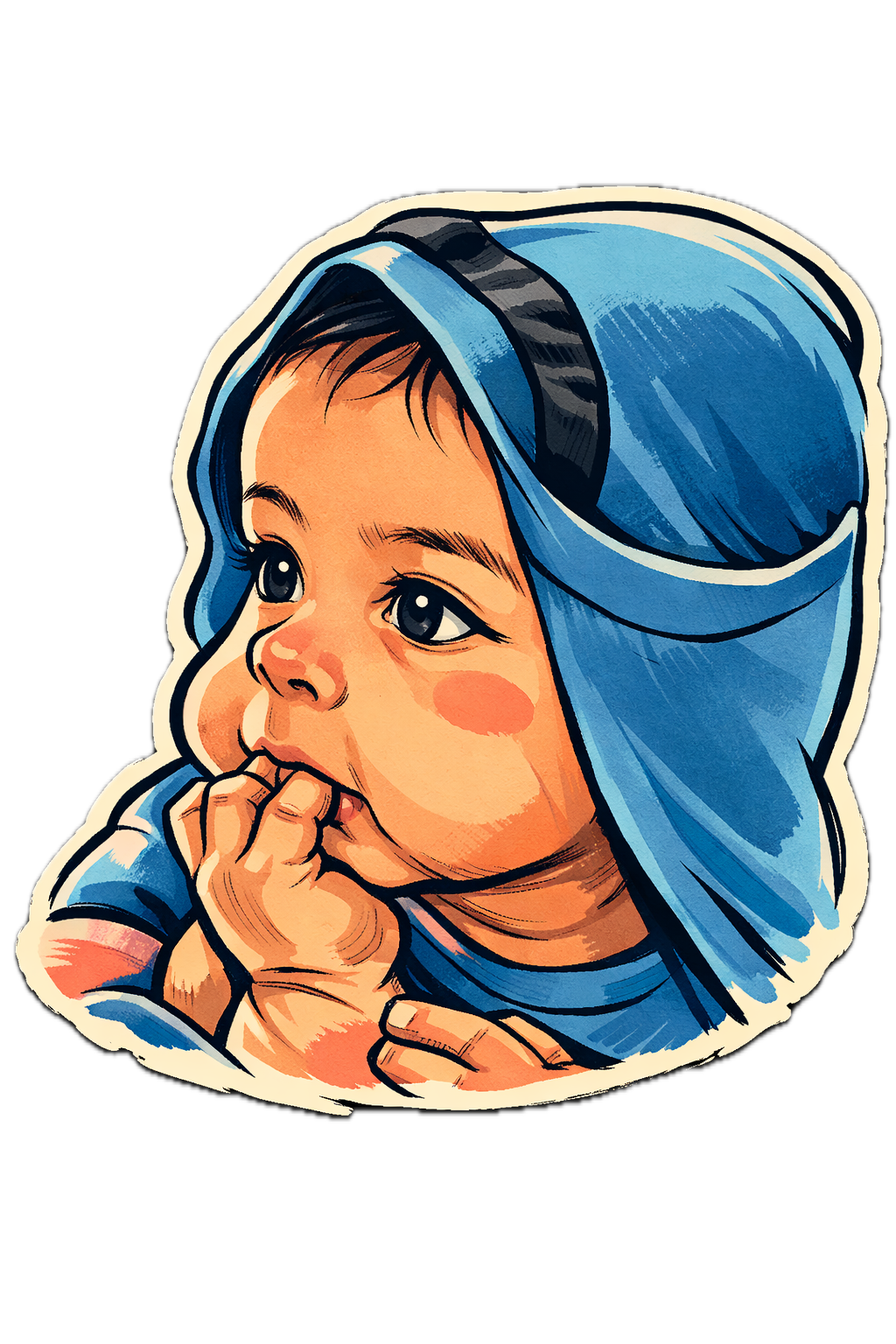
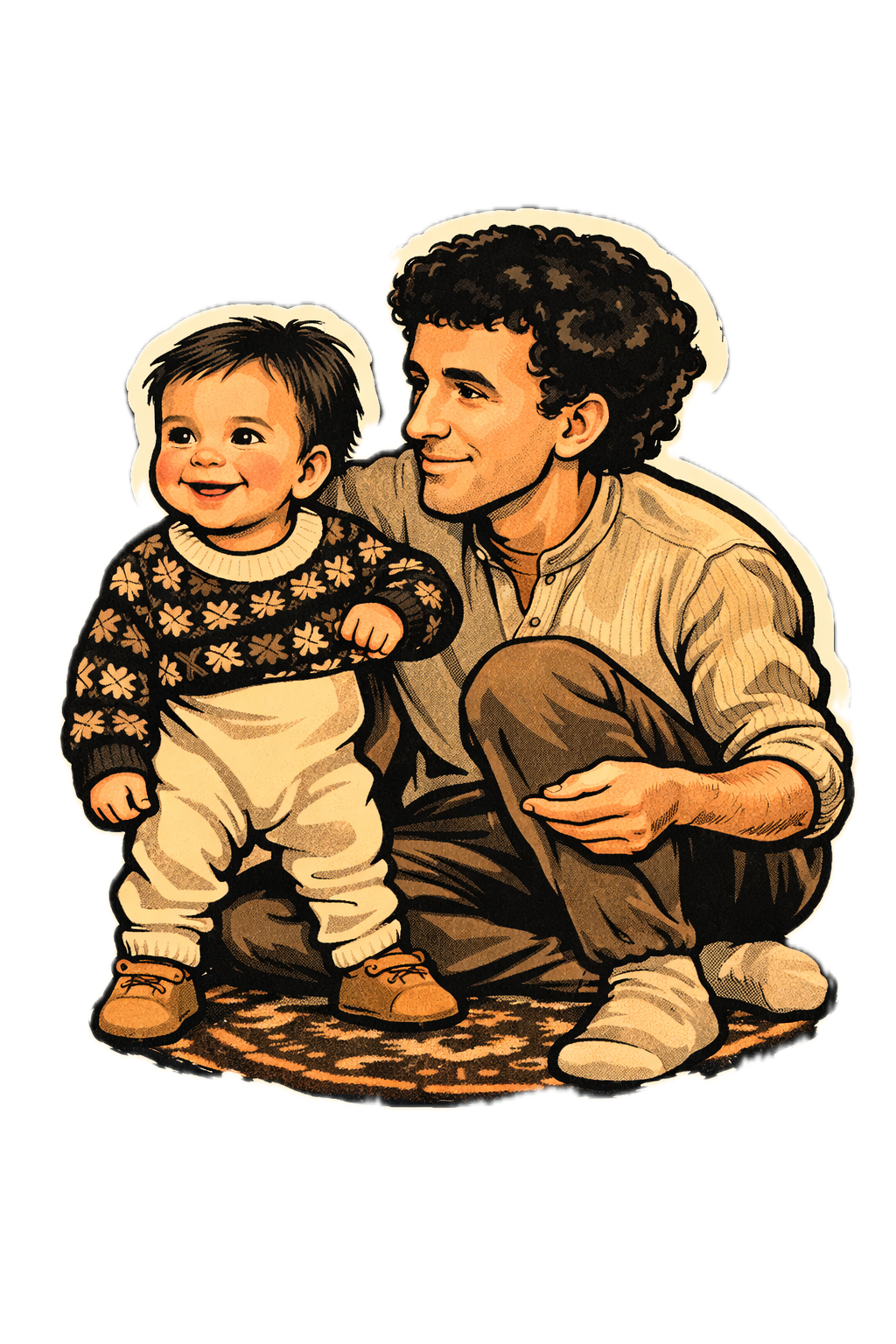


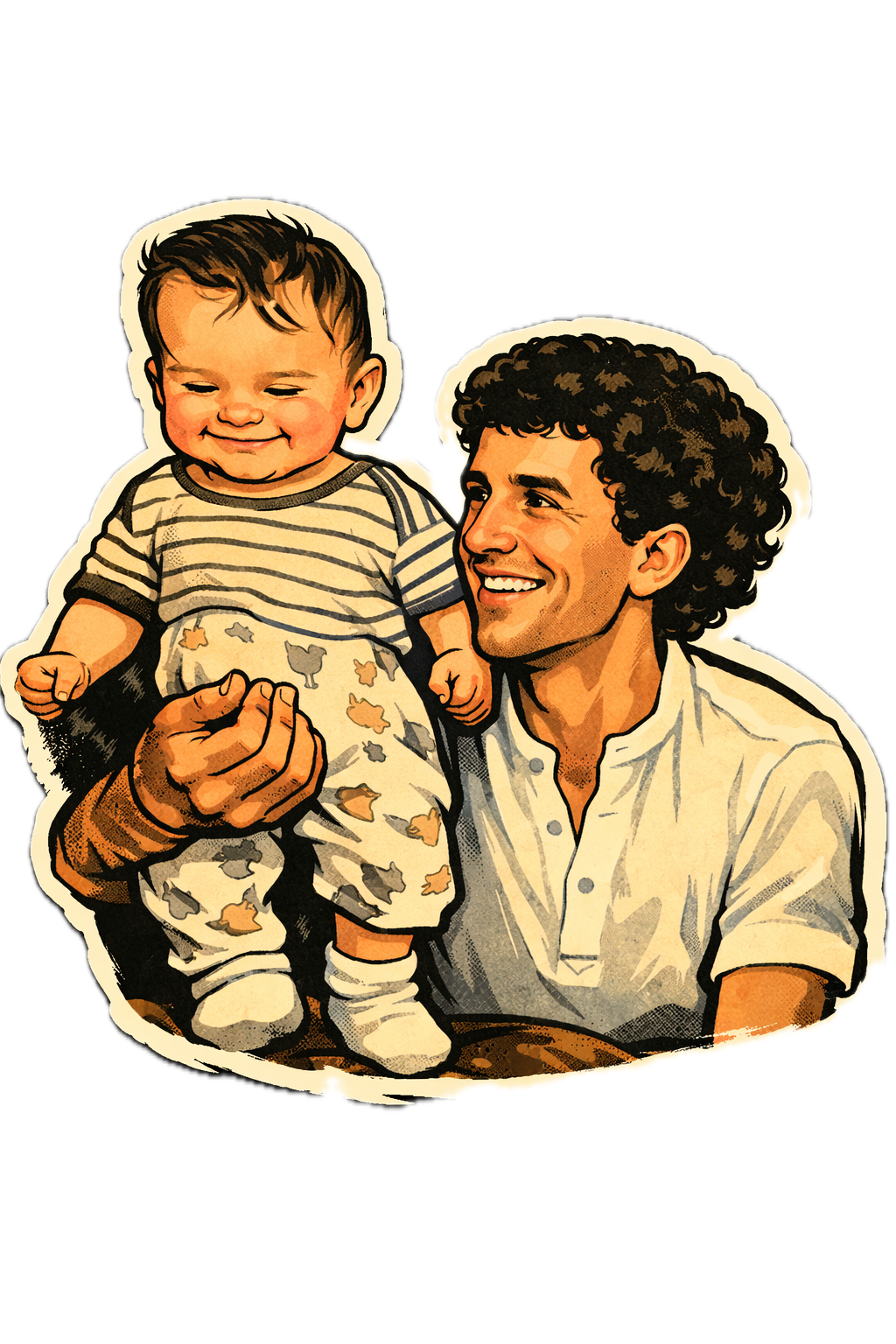



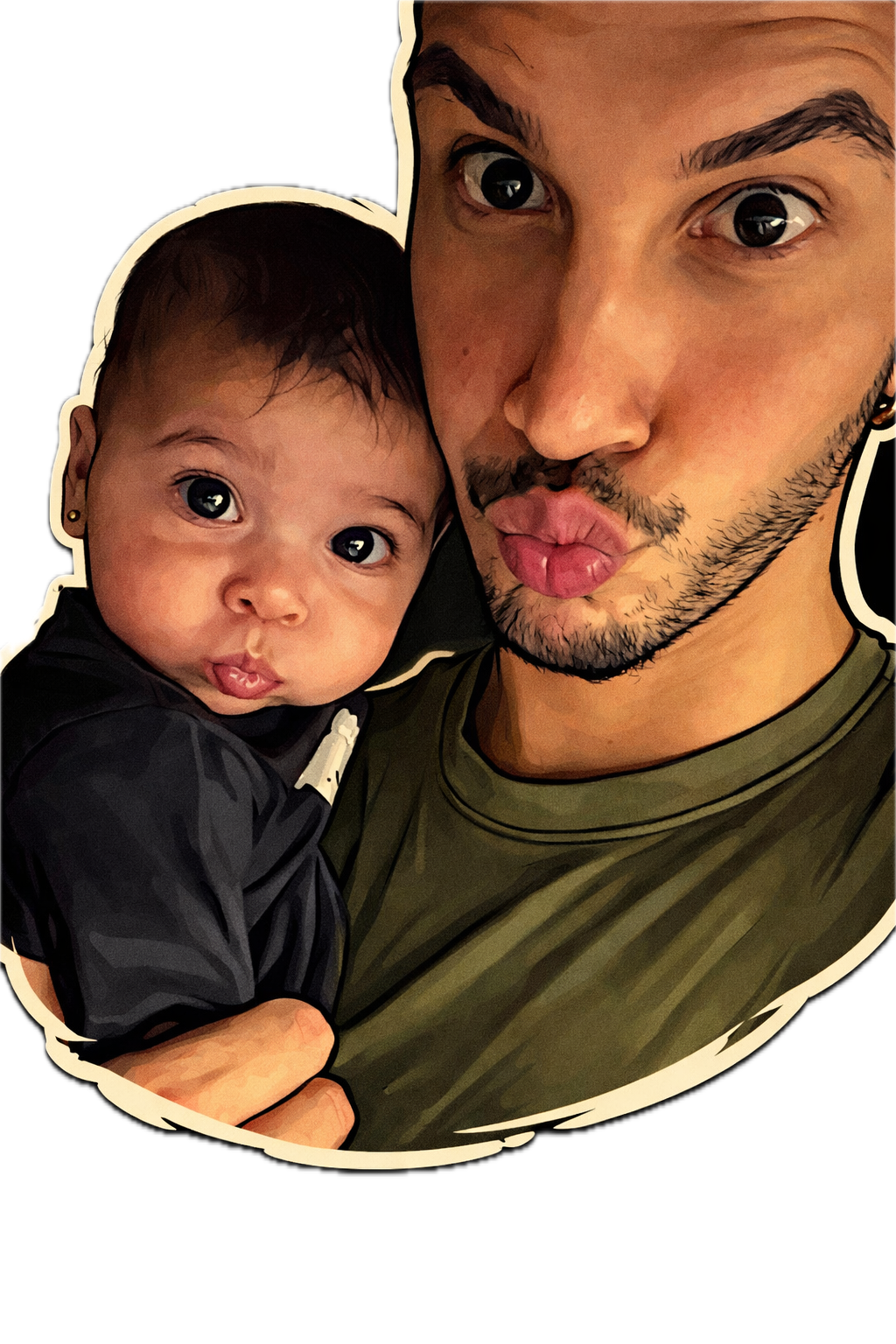


When our daughter Zoe was born, my partner and I were overjoyed — and completely overwhelmed. We had family around us, we had love in abundance, but what we didn't have was clarity. When should she eat? How much? Was this sleep normal? Every question led to another.
We tried the apps that were out there. They were powerful, but they felt like they were built for engineers, not exhausted new parents at 3am. Learning the app felt like a second job — on top of the hardest job we'd ever taken on.
So we built ZAZU Baby. Not as a product. As a necessity.
We built it in every moment she gave us — during naps, late nights, early mornings, stolen minutes between feeds. Zoe was our first user, our test subject, and our most honest critic. Every pattern the app got wrong, she showed us. Every assumption we made, she quietly broke. We'd notice something, research it, cross-check it against pediatric guidelines, and update it. Day after day, feed after feed. It was, in its own exhausted and beautiful way, the most we'd ever felt like we were doing something that truly mattered.
We wanted something that worked from day one — install it, enter Zoe's age, and let the app do the thinking. It suggests how much to feed, how often, and when the next feed is likely coming — first based on her age, then based on her own unique rhythm. Because no two babies are the same, and no app should pretend otherwise.
As Zoe grew, the app grew with her. New feeding quantities. Solid foods. Allergen introductions. Sleep patterns. And now, past her first birthday, it's shifting into toddler mode — still adapting, still learning, still one step ahead of us when we need it most.
There's also a daily notes section, where we've captured the little moments — her first laugh, a particularly chaotic dinner, a quiet Sunday morning. Every week, the app quietly turns those records into a small story — sometimes funny, sometimes tender, always completely hers. One day, Zoe will be able to read it all back. Her story.
And one day — so will yours.